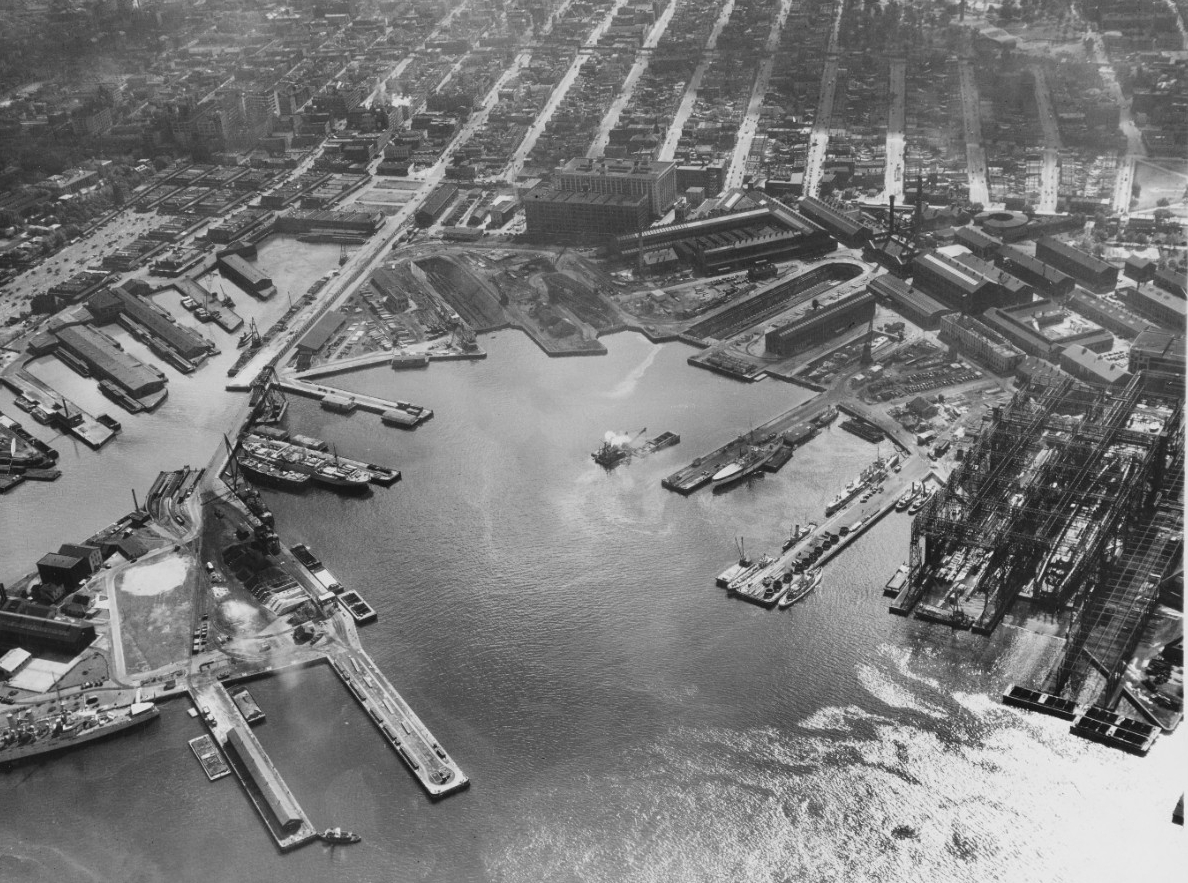
In 1893, the Brooklyn Navy Yard was losing.
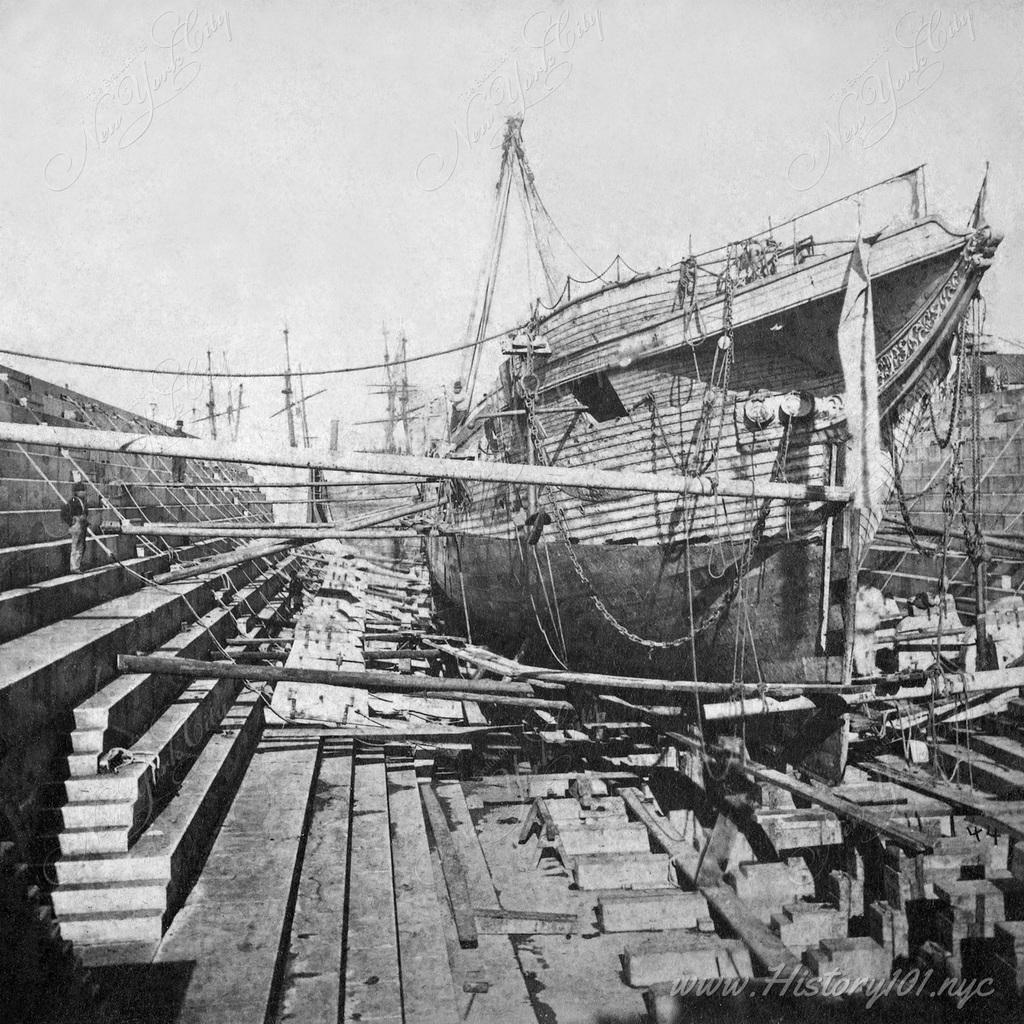
Rats had taken over. They gnawed through the docks. They destroyed rigging and sails. They chewed through rope, canvas, and supplies faster than workers could replace them. The damage was constant, expensive, and accelerating.
Officials tried everything standard. Traps caught a few but the population kept growing. Poison seemed promising until the rats adapted to it. Some got fat on the stuff. Dogs were brought in next. The rats sent them running.
The Navy Yard was one of the largest industrial operations in the country at the time. Thousands of workers. Ships under construction. Mountains of materials stored in warehouses along the waterfront. And rats in every corner, multiplying faster than anyone could count.
Then a few stray cats wandered onto the grounds.
Nobody invited them. Nobody hired them. They showed up, surveyed the situation, and decided to stay. Within weeks, workers noticed the difference. Within months, the problem was under control.
The Navy Started Keeping Records
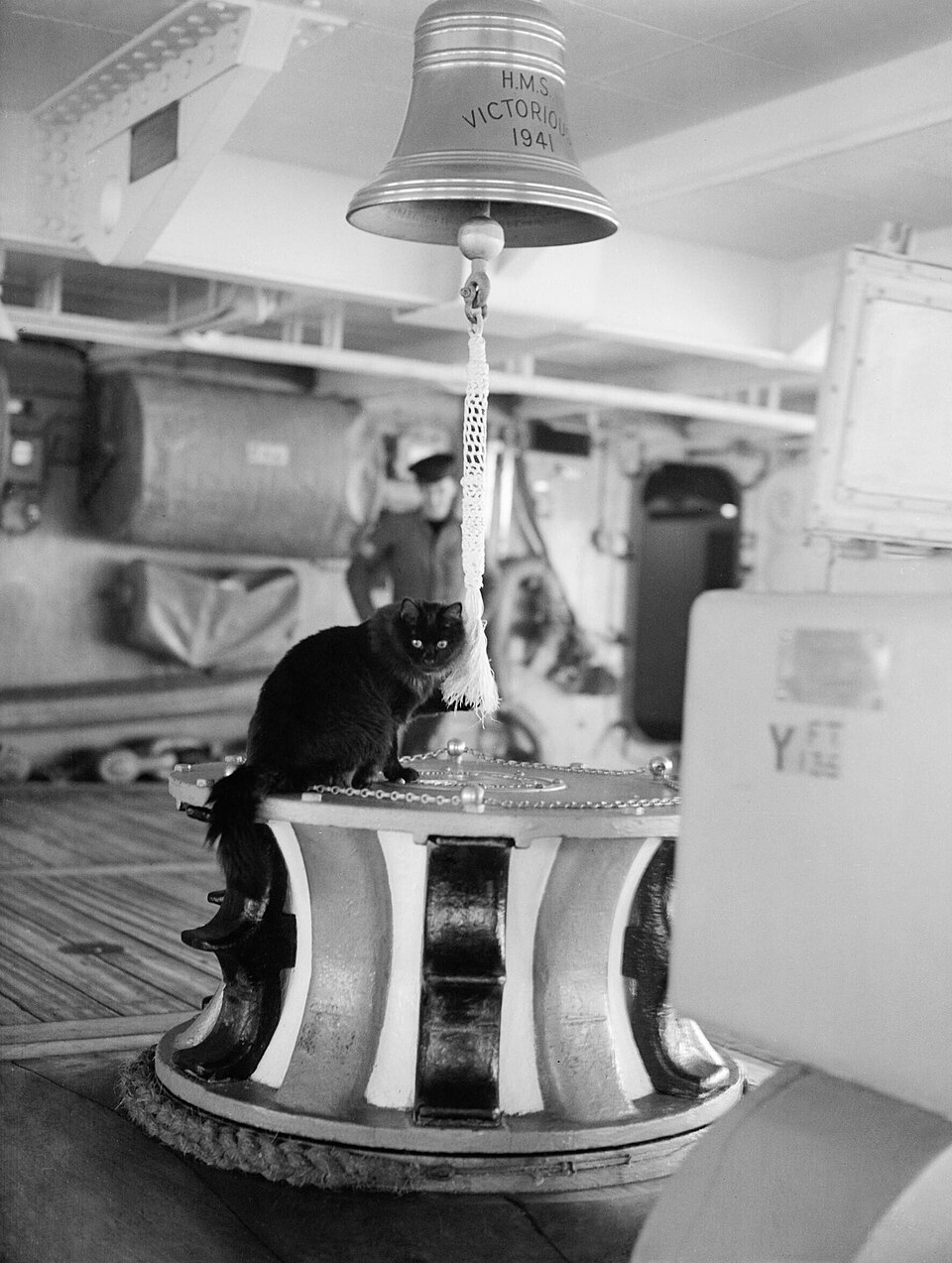
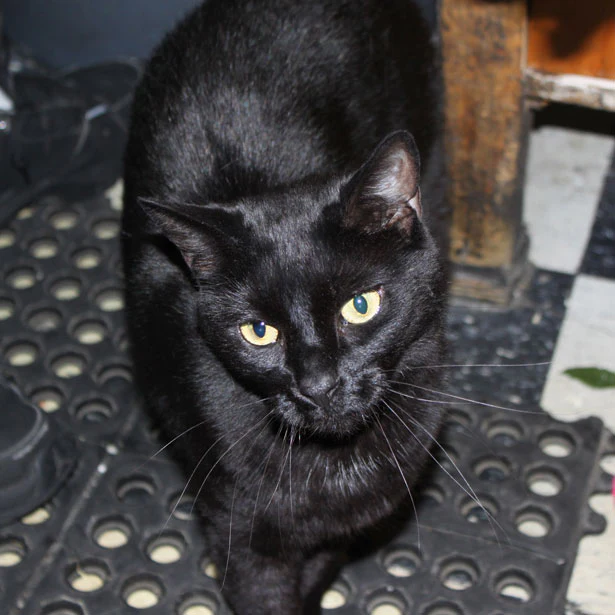
A small black cat named Minnie, stationed in the electrical building, became known as the best ratter in the yard. She was fast, relentless, and fearless. She could jump eight feet. Once, according to workers who witnessed it, she leaped down an entire flight of stairs to land directly on a rat's back. The rat never saw her coming.
Minnie wasn't alone. Cats spread across the yard, each claiming territory. The machine shops. The rope walks. The timber sheds. Anywhere rats gathered, a cat eventually arrived. They worked at night when the rats moved. They slept during the day in whatever warm corner they could find.
The cats cost the government nothing. Workers fed them scraps at noon, pooling leftovers from their own lunches. In return, the cats saved thousands of dollars a year in damaged equipment and supplies. The math was simple. The arrangement was practical. Nobody called it a program. It was just how things worked.
Word Spread
By 1900, working cats were standard practice across New York City. Factories employed them. Warehouses relied on them. The U.S. Post Office in City Hall Park kept nearly 100 cats on the grounds at any given time.
The Post Office had a particular problem. Rats were attracted to envelope glue. They would chew through stacks of mail to get at it, destroying correspondence and creating chaos. The cats solved this. A clerk named George Cook held the unofficial title of Superintendent of Federal Cats. His actual job was mail sorting. His unofficial job was feeding the mousers, keeping track of them, and making sure they stayed healthy enough to work.
The Post Office budgeted five dollars a month for cat food. George thought it should have been ten. He made the case repeatedly. The budget stayed at five.
City Infrastructure
This arrangement continued for decades. Cats at the Navy Yard. Cats at the Post Office. Cats in the basements of department stores on Fifth Avenue. Cats in breweries, bakeries, and printing houses. Anywhere goods were stored, cats showed up to protect them.
It wasn't sentiment. It was city infrastructure.
The cats didn't belong to anyone. They weren't pets. They were workers who happened to be animals, doing a job that humans and machines couldn't do as well. They asked for scraps and shelter. They delivered results.
Minnie eventually died. The Navy Yard records don't say when or how. Another cat took her spot in the electrical building. The work continued.