The blocks around Wall Street once held mountains of paper. Banks stored records in vaults. The General Post Office at City Hall Park handled letters and mail bags. Rats could damage all of it, so some downtown buildings relied on cats.
Two of the best-documented stories come from 120 Broadway and the old General Post Office. One cat survived a deadly fire. The others worked in a loose squad that newspaper reporters treated like a police force.
Kaiser at 120 Broadway
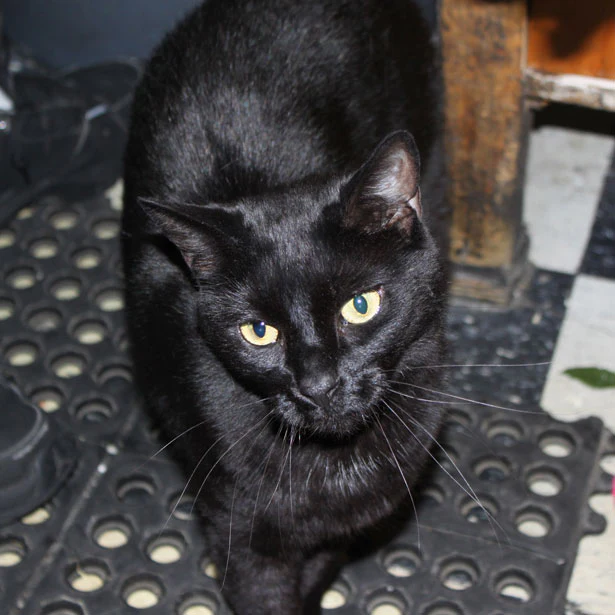
Kaiser was the black-and-white rat catcher at the Equitable Life Building. She had hunted in its basement since about 1907, near the restaurant storerooms and the building's vaults.
Early on January 9, 1912, a fire started in the basement at 12 Pine Street. Flames reached the elevators and dumbwaiters, then spread through the building. Six people died. Firefighters poured water onto the structure in freezing weather, leaving the ruins coated in ice.
Kaiser disappeared inside.
Workmen found her on January 25, 16 days after the fire. She was weak and hungry. They gave her warm milk and a beef chop, but she would not leave on her own. As crews dismantled the wreckage, she kept moving to another corner. They finally carried her out in a crate.
Kaiser later lived with Edna Blanchard Lewis, an insurance broker who had worked in the building. In March 1912, the cat appeared with Lewis at the Women's Industrial Exhibition. Her story had moved from the basement of a ruined office building to a public stage.
The cats at the General Post Office
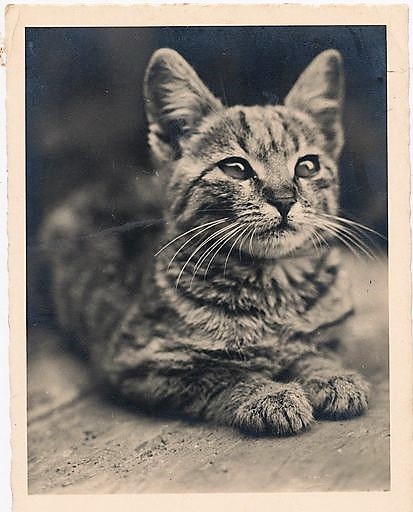
A few blocks north, the General Post Office stood at Broadway and Park Row in City Hall Park. When the building opened in 1875, postal clerk George Cook brought a tabby from the old Nassau Street post office. She became the new building's first rat catcher.
By 1904, Cook was 81 and had worked for the Post Office Department for 54 years. He also looked after almost 100 cats in the building. Reports from the period described him as the unofficial Superintendent of Federal Cats.
The Post Office gave Cook about five dollars a month for meat. He fed the cats once a day in the basement. Some worked in the Registry Department and came down by elevator at mealtime. In summer, cats from the newspaper department took breaks in City Hall Park before returning to work.
The language in those accounts is playful, but the job was practical. Rats were attracted to the glue used on envelopes and packages. Cats protected mail bags and paper while giving clerks fewer rats to handle.
What remains downtown
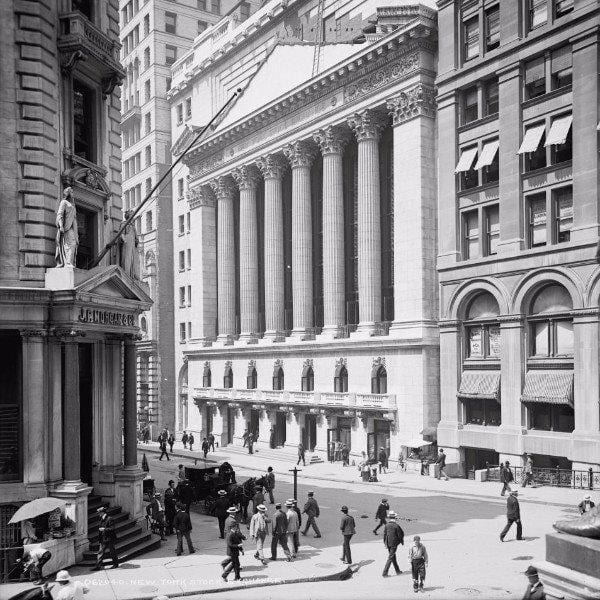
The old Equitable Life Building is gone, but the current Equitable Building still stands at 120 Broadway. The General Post Office at City Hall Park was demolished decades ago. Its cats survive in newspaper reports and the research of historian Peggy Gavan.
Our Financial District walking tour follows this part of old New York through stories tied to Wall Street and City Hall. It is a two-hour history walk, not a cat-spotting tour, so live cats are never promised.
See current Financial District tour dates