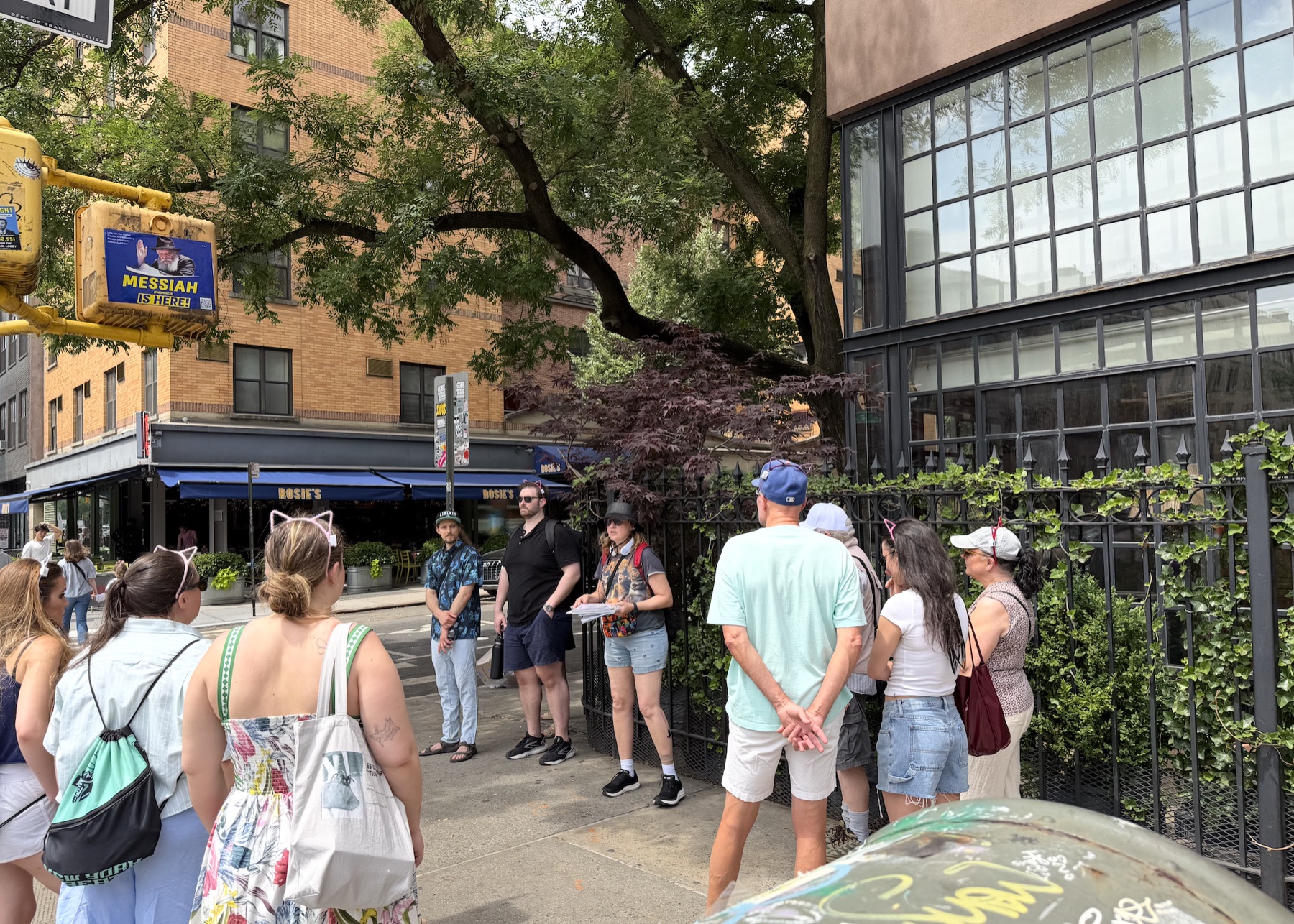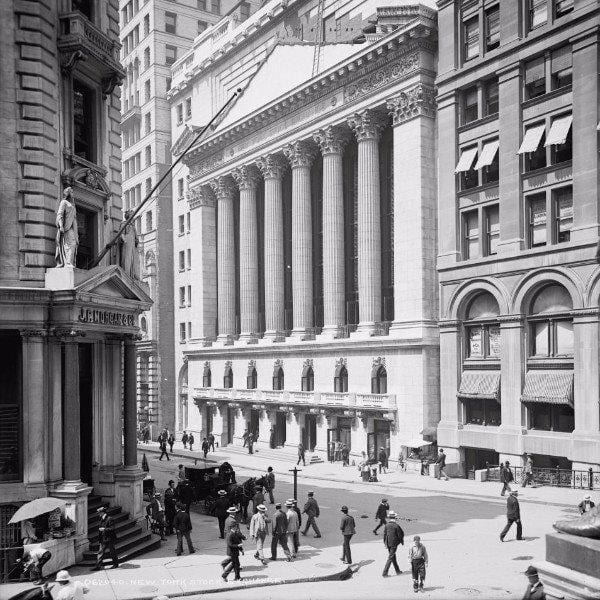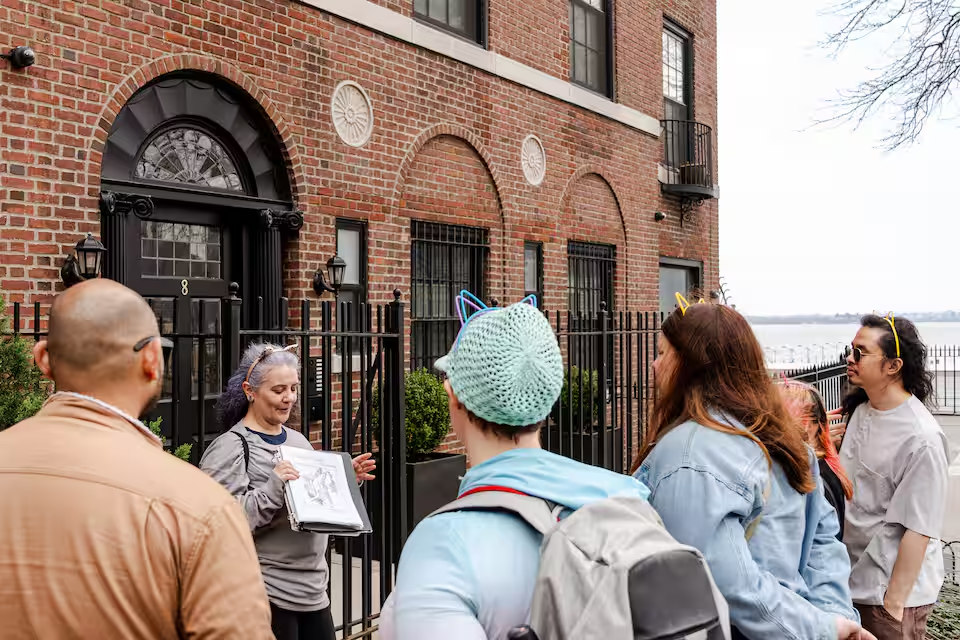
Brooklyn Heights rewards anyone who likes to look closely. The neighborhood's brownstones, civic buildings, bridge approaches, and waterfront views hold layers of New York history. Cats turn out to be a surprisingly useful way into those layers.
A Brooklyn Heights cat walking tour does not depend on spotting cats in windows. It follows documented stories through the places where they happened. A stray crossed the Brooklyn Bridge before its public opening. A nearly blind neighborhood cat became known around Brooklyn's civic center and alerted people to a fire inside Borough Hall. Other stories connect the area's hotels, firehouses, churches, and early subway work.
This guide introduces two of the route's best-known cats and explains why Brooklyn Heights is such a strong neighborhood for walking through old New York.
Why Brooklyn Heights works so well on foot
Brooklyn Heights developed as a residential district in the early 1800s as steam ferry service made travel across the East River easier. That history is still visible at street level. In its 1965 designation report, the New York City Landmarks Preservation Commission described a neighborhood of low-rise brick and brownstone houses, churches, carriage houses, and several major 19th-century architectural styles.
The same report counted hundreds of buildings that predated the Civil War and more than a thousand built before 1900 within the proposed historic district. Those surviving blocks make it possible to connect an old newspaper story to a building, street, or view that remains recognizable today.
The walking matters. A bridge story feels different when the bridge tower is in front of you. A Borough Hall story lands differently when you can see the building and the busy civic center around it. Brooklyn Heights keeps those places close enough for a compact route, with the neighborhood itself providing the setting.
Ned crossed the Brooklyn Bridge before opening day
The Brooklyn Bridge opened to the public on May 24, 1883. About a month earlier, according to a contemporary New York Times report uncovered in Peggy Gavan's archive research, a gray Brooklyn stray was chosen for an unusual test trip.
The cat was carried onto the unfinished bridge in a basket, released near the center, and followed a worker toward Manhattan. On the other side, he was given the name Ned of the Bridge and a collar. The short newspaper item preserved details that formal bridge histories could easily overlook: a saloon keeper's strange request, an alderman's search for the right cat, and a small celebration after the crossing.
Ned's story is funny, but it also shows how New Yorkers reacted to the bridge before it became familiar. The structure was new, enormous, and still surrounded by ceremony and curiosity. Sending a cat across it was part publicity stunt and part neighborhood theater.
You can read the fuller account in Ned, the first cat to cross the Brooklyn Bridge.
Jerry Fox kept watch around Brooklyn's civic center
Jerry Fox belonged to a cafe near the buildings around what was then Brooklyn City Hall. Newspaper accounts described him making regular rounds through the civic district and becoming familiar to police officers, politicians, trolley drivers, and local workers. As he aged and lost much of his sight, an optometrist reportedly made him a pair of spectacles.
His most remembered story took place on May 22, 1904. Papers caught fire on a desk inside Borough Hall while the office was empty. Jerry's unusual howling drew a nearby police officer, who followed him and found the fire before it spread.
The details make Jerry memorable, but the setting gives the story weight. Borough Hall was part of his everyday territory. He was known because he moved through the same public spaces again and again, becoming one of the neighborhood characters recorded by the press.
The full archive-based account is in Jerry Fox at Brooklyn Borough Hall.
The buildings are part of the story
Brooklyn Heights became New York City's first designated historic district in 1965. The designation was not based on one monument. The Landmarks Preservation Commission emphasized the value of the neighborhood as a whole: rows of houses, churches, irregular streets, and changing views that retained the feel of a 19th-century community.
That is useful context for cat history. Ned and Jerry were not isolated curiosities. Their stories took place in a working city of bridge crews, saloons, courts, cafes, trolley lines, and crowded public offices. Walking between the surviving sites helps put the animals back into that human world.
It also leaves room for questions. Why did a one-paragraph cat story make the newspaper? Which animals became mascots, and who decided their stories were worth recording? What disappears from city history when nobody goes back through the old papers?
Planning a Brooklyn Heights cat history walk
The Brooklyn Heights Cat Tour is a two-hour guided history walk of roughly 1.5 miles. It begins near Walt Whitman Park and Brooklyn Borough Hall, then uses neighborhood stops to tell stories connected to the bridge, civic center, brownstones, churches, hotels, firehouses, and early subway work.
Wear comfortable shoes and check the forecast before leaving. Light rain usually does not cancel a tour, while severe weather may lead to rescheduling or refunds. The route uses city sidewalks, including uneven surfaces. Anyone with an accessibility question should contact Cats About Town Tours before booking.
These are history walks, not cat-spotting tours. A live cat sighting can happen, but it is never promised. The reliable part is the neighborhood and the archive research behind each stop.
See available dates and choose the Brooklyn Heights route in FareHarbor. Current times, prices, capacity, and cancellation terms appear during booking.