When the parade first kicked off in 1924, it was less slick broadcast and more delightful chaos. Imagine Macy’s employees dressed as clowns marching for six miles from Harlem down to Herald Square, joined by live elephants, bears, and camels borrowed from the Central Park Zoo. The goal? To lure families to the newly expanded toy department at Macy's flagship store.

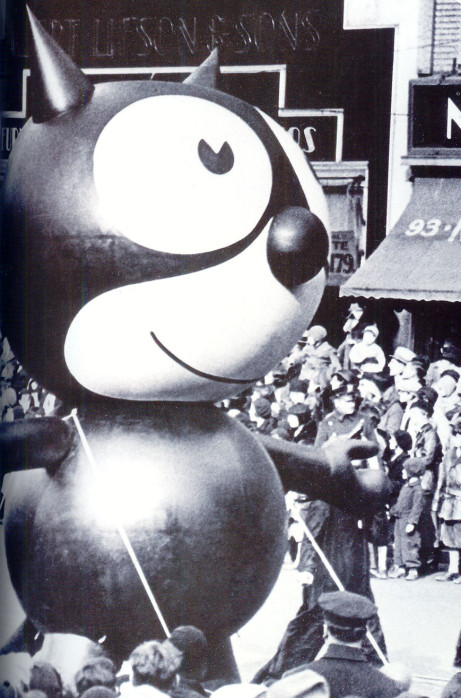
But the real game-changer came in 1927. Organizers ditched the live animals (probably a good call) and introduced something even more magical: giant, character balloons designed by the famed puppeteer Tony Sarg. The first star to float down Broadway was the one and only Felix the Cat, and the crowds went wild.
The balloons were such a smash hit that a Macy's PR exec came up with a "brilliant" idea in 1928: at the end of the parade, they’d just… let the balloons go. Anyone who found a deflated balloon and returned it would get a cash prize.
What could possibly go wrong?
Well, the first year, they all burst almost immediately. Oops. For 1929, they were redesigned with safety valves to let them float aimlessly over the five boroughs for a few days. The Great Balloon Hunt was officially on, and New York City was about to get a front-row seat to the pandemonium.

By 1931, the skies over Manhattan were a full-on cartoon battle royale. A 40-foot "Terrible Turk" balloon crashed into a sign at 72nd Street and deflated into the crowd. A pig balloon kept bumping its snout on apartment windows. A dragon was reportedly attacked by a small dog on the street. It was pure, unscripted mayhem.
This brings us to Thanksgiving Day, 1932. Macy's, tired of aviators trying to snag their floating cash prizes, issued a public warning for all pilots to stay away from the balloons. But 22-year-old student pilot Annette Gipson from Brooklyn either didn't get the memo or simply didn't care.

Flying with her instructor, Hugh Copeland, over Queens, she spotted her target: a 60-foot, yellow-striped Tom-Kat balloon, a popular successor to Felix.
Instead of avoiding it, Annette decided to go for the capture. She steered her small monoplane directly into the giant cat. In an instant, the balloon's fabric shredded and wrapped around the plane's left wing, sending them into a terrifying tailspin. As thousands of people in Queens watched in horror from their rooftops, the plane plummeted towards the ground.
Thinking fast, Annette cut the ignition to prevent a fire. In a heart-stopping mid-air maneuver, she and her instructor managed to switch seats. With just 250 feet to spare—barely above the houses of Rosedale, Queens—Hugh restarted the engine. The tattered remains of Tom-Kat had thankfully blown away, and he managed to wrestle the plane back under control, landing safely at nearby Floyd Bennett Field.

Annette and Hugh were unhurt, but they were promptly grounded by federal authorities for “stunting over a congested area”—the understatement of the century. As for Tom-Kat, he was torn to pieces by souvenir hunters on the ground before a single scrap could be returned to Macy's.
That day marked the end of an era. Macy’s immediately canceled the balloon release program for good. The wild days of rogue balloons menacing pilots, floating out to sea (one hippo balloon was spotted 100 miles off of Rockaway Point, "walking on water"), and being rescued from the East River by tugboats were officially over.
So next time you're in NYC for Thanksgiving, watching Snoopy or SpongeBob drift serenely between the skyscrapers, take a moment to remember Tom-Kat. The parade might be safer now, but its wild history is a reminder of a time when New York City was just a bit more wonderfully chaotic.