Picture this: It’s May 1910. Mounted Patrolman Joseph Probst Jr. is on a routine patrol along Metropolitan Avenue, trotting alongside the sprawling woods of Forest Park in Queens. Suddenly, his horse stops dead, shies, and begins sniffing the air intently, its gaze fixed on a thicket of trees. Trusting his partner’s instincts, Probst dismounts to investigate.
Tucked away in the bushes, he discovered a shocking sight: a well-dressed young man, unconscious and bleeding from gunshot wounds. A rifle lay nearby. Though the man was rushed to a hospital, he died the next day, his identity a complete mystery. All police had to go on were a monogrammed watch and a pin from the American Federation of Musicians. Who was this man?
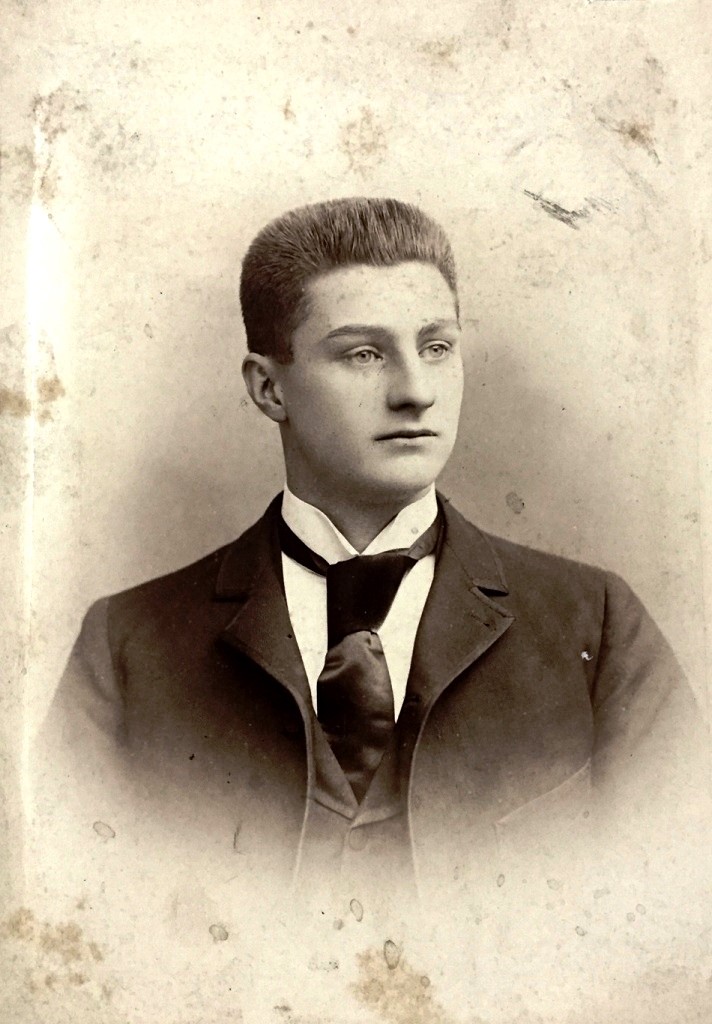
Thanks to the keen senses of Probst’s horse, the story made the newspapers. A fellow musician recognized the details, did some sleuthing of his own, and finally identified the man as J. August Kuehis, ensuring he received a proper burial instead of being lost to history in a potter's field. All because a police horse knew something was wrong.
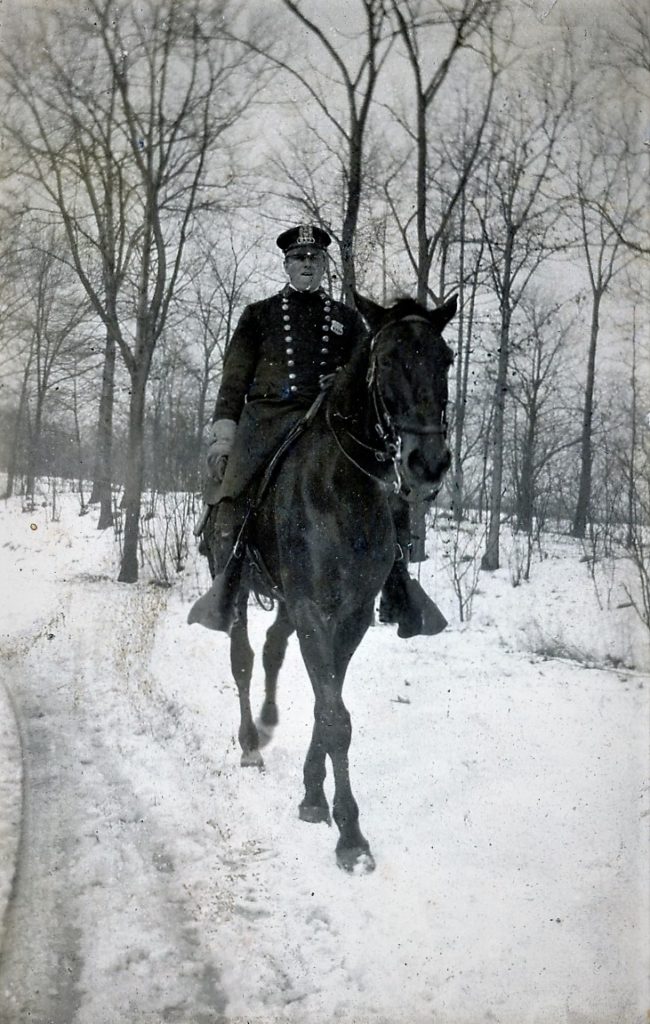
A Legendary Partnership
So who were these heroes? Patrolman Joseph Probst Jr. was one of the very first officers in the Richmond Hill mounted unit, Troop G, established in 1907. He was a seasoned veteran responsible for training new recruits. For years, his post was the bustling intersection of Merrick Road and South Street (today’s Merrick Boulevard and Liberty Avenue) in Jamaica, a key traffic hub even back then.
And his partner? Sadly, historical records never mention the horse’s name. But this four-legged detective was more than just a ride; he was a true partner. Whether navigating busy streets or patrolling the quiet paths of Queens parks, this horse was Probst’s eyes, ears—and nose—on the beat.
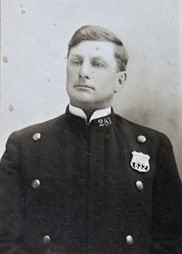
More Than Just a One-Hit Wonder
Finding the lost musician wasn’t this duo’s only claim to fame. Their careers were filled with the kind of action you’d expect from an old New York film.
Just two months after the Forest Park incident, in July 1910, a massive fire erupted in a stable on Vine Street (now 123rd Street). As the flames spread to a nearby lumber mill, threatening to engulf the entire block, Probst and another patrolman rushed to the scene. The panicked horses inside refused to leave the burning shed. Thinking fast, the officers and brave citizens blindfolded the animals one by one, calmly leading all dozen horses to safety just as the structure collapsed.
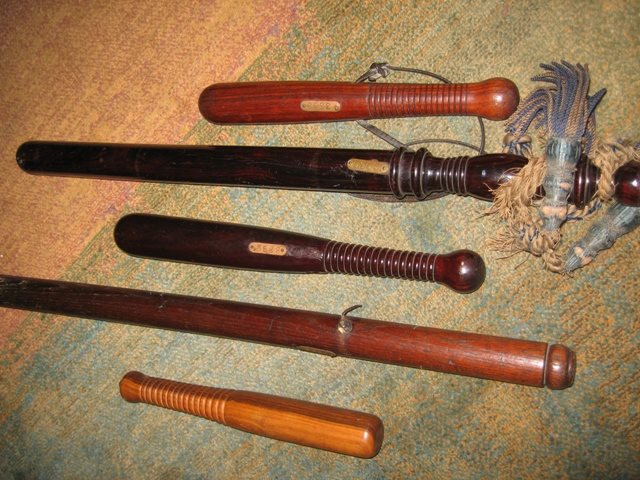
Then, in 1913, Probst and his horse charged headfirst into a riot. Hundreds of striking railroad workers were marching on Richmond Hill, throwing stones and overwhelming the foot patrolmen. Sergeant Albert Kolson ordered the mounted unit, including Probst, to charge. It was a chaotic scene of flying rocks and swinging clubs. Probst was knocked from his saddle by a large stone, suffering a concussion, but the charge worked. The mounted officers managed to disperse the mob and restore order, earning Probst a membership in the prestigious NYPD Honor Legion for his bravery.
A Lasting Legacy You Can Still Visit
Patrolman Probst retired in 1927 after twenty years of distinguished service. He passed away in 1933 and was laid to rest in Maple Grove Cemetery in Kew Gardens, not far from where he spent his career protecting the people of Queens.
While the horse’s ultimate fate is unknown, the places they patrolled are still part of the city’s fabric. You can walk the same paths in Forest Park where this incredible animal made his famous discovery. And you can see the very building where they worked.
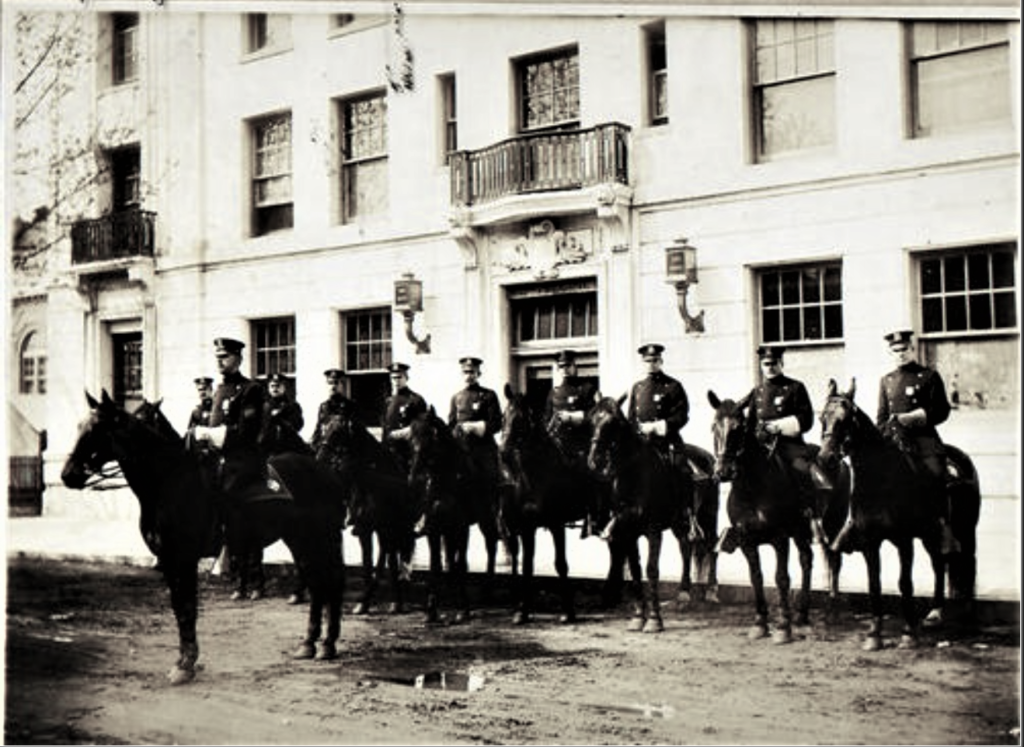
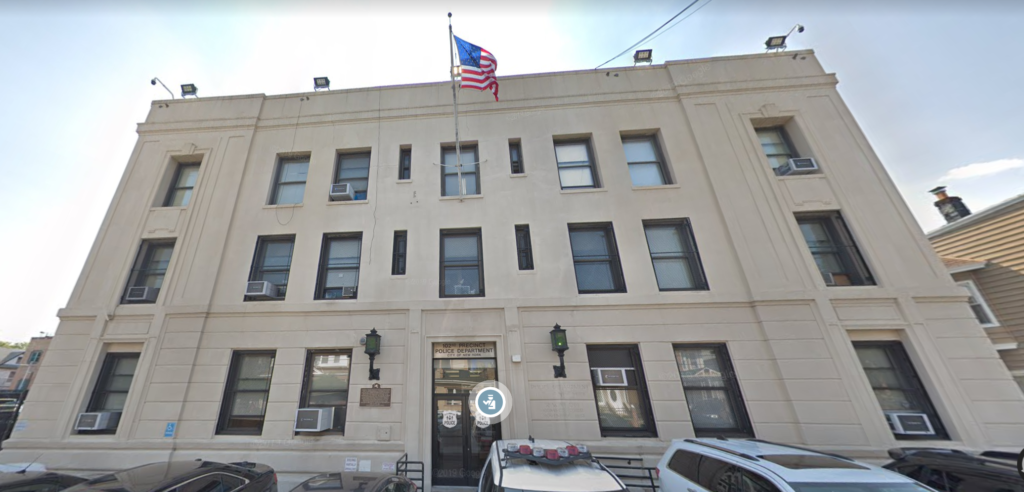
The original Richmond Hill Village Hall, which housed the police, was replaced in 1913 with a handsome new station designed by Kirby & Pettit. That historic building still stands today as the home of the NYPD’s 102nd Precinct.
So next time you’re in Richmond Hill, take a stroll past 87-34 118th Street. Look at the old brick building and imagine Patrolman Probst and his heroic, unnamed horse heading out for another day of adventure on the streets of old New York.