
Ever heard a cat described as a "sharp-toothed censor of copy"? Probably not. But in 19th-century New York City, one newspaper editor claimed his office cat was just that. This feline, he wrote, could "devour three and a half columns of presidential possibilities... and then claw the nether garments of the managing editor" to signal he was still hungry.
This is the strange and hilarious story of the most legendary scapegoat in NYC newspaper history: The Sun’s office cat.
Our story begins on a Tuesday in December 1884. A politically important letter from president-elect Grover Cleveland had just been sent to all the major New York newspapers. The next morning, it appeared in The Evening Post and The New York Times... but not in The Sun. It was a major journalistic blunder. When asked what happened, the paper’s quick-witted editor, Charles Dana, needed an excuse, and fast—especially since everyone knew he wasn’t Cleveland’s biggest fan.
A friend, Justice Willard Bartlett, jokingly suggested, “Oh, say that the office cat ate it up.”
Dana loved it. He immediately published a tongue-in-cheek explanation for the missing letter, blaming an accident where the copy was lost. It might have been taken, or blown away by the wind, he wrote, "or the office cat eating it up; and that is all there is of it."
New York City, and soon the entire country, went wild for the story. The tale of the paper-eating cat became an overnight sensation. Realizing he had a hit on his hands, Dana leaned into the myth, penning elaborate editorials about his newfound star critic.

He described the cat as a "feline Aristarchus" (a famously harsh critic from ancient Greece) who had finally, like a poet, woken up to find himself famous. According to Dana, the cat’s favorite meal was a boring "tariff discussion," and he could sniff out stale news instantly. While other cats had catnip, The Sun’s cat had a different vice: the Congressional Record. "He will sit for hours and watch with burning eyes the iron safe in which we are obliged to shut up the Record for safe-keeping," Dana wrote. "It is his catnip."
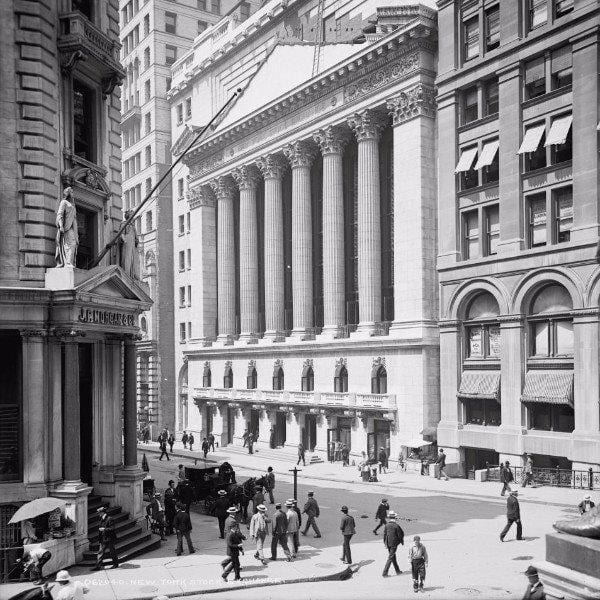
So where did this legendary feline hold court? Right in the heart of old "Newspaper Row," a bustling district of editors, writers, and pressmen just a stone's throw from today's City Hall.

For years, whenever The Sun made a typo, published a questionable editorial, or ignored a political candidate, rivals would gleefully blame the office cat for chewing up the good parts. The public loved the running gag. Some, however, took it a little too seriously. One afternoon, a drunken man stormed into the editorial room demanding to see the cat, charging it with failing to devour an article he disliked. The cat, sensing danger, reportedly howled and hid under a desk before the man was arrested. The shaken staff had to calm their feline mascot down with a bowl of cream.
But was there ever a *real* cat? Or was this just a brilliant marketing stunt?
The answer came years later from the editor himself. Shortly before his death in 1897, Charles Dana was contacted by an author named Helen M. Winslow for her book, Concerning Cats, My Own and Some Others. At her request, Dana provided a "biography" of the office cats. He explained that the very first one was a female who tragically died after drinking from an ink bottle. Luckily, she left behind kittens "weaned on reports from country correspondents," and one of them took over the job.

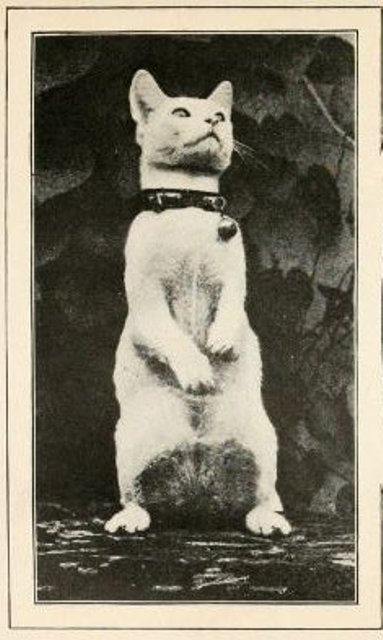
The latest in this proud line of paper-eaters was a cat named Mutilator. Yes, Mutilator. He was, in Dana’s words, "a creditable specimen of his family" with "an appetite for copy unsurpassed in the annals of his race." This was the cat in the famous photograph Dana supplied for the book.
In the end, it hardly matters if Mutilator truly ate Grover Cleveland’s letter. The story gave a face—and a furry appetite—to the chaos of the daily newsroom. It was also a perfect reflection of the newspaper’s own motto, a phrase it promoted for decades: “If you see it in The Sun, it’s so.”
So the next time you’re walking down Nassau Street near City Hall Park, take a moment. You’re treading the same ground as a legendary cat who, according to his editor, literally ate the news to keep it from being printed.