And her story, which starts with two chickens named Snowbird and Pearly Dew, ends with an incredible tale of heroism and kindness that stretches back to one of NYC’s most violent moments.
A Woman and Her Feathered Friends
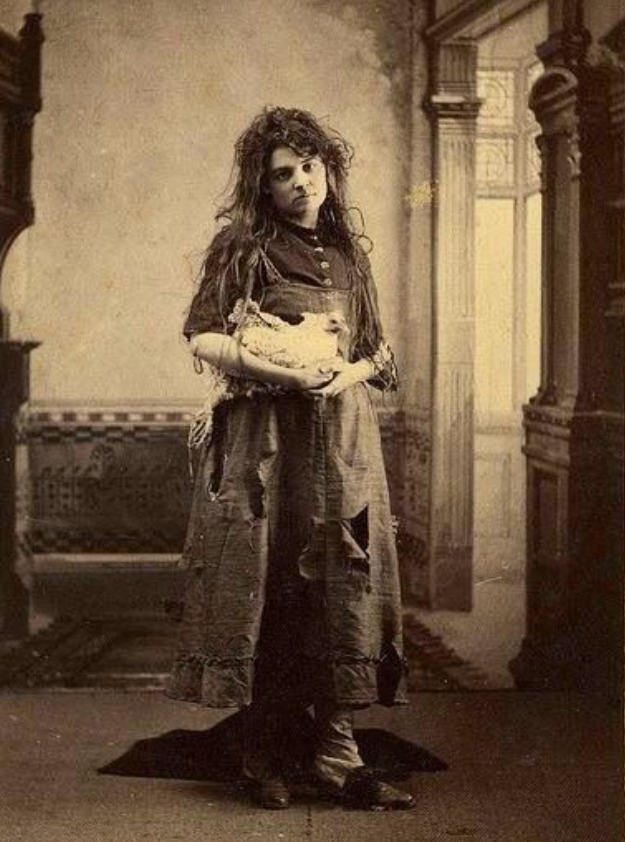
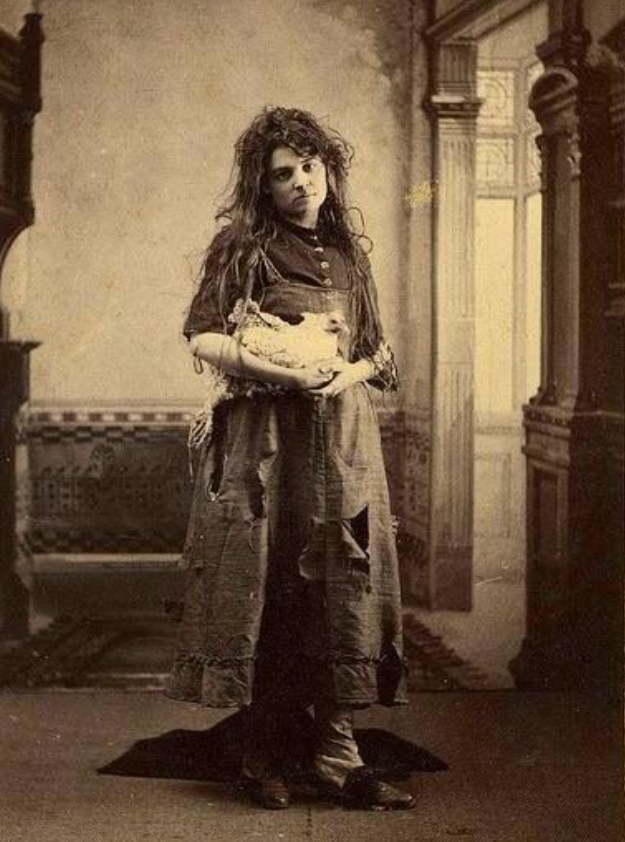
Let’s set the scene: It’s 1899 in a tenement at 328 East 22nd Street, just a stone's throw from modern-day Gramercy Park. Here lived Elizabeth Gallagher, a 57-year-old laundress the papers called an "eccentric spinster." For 36 years, her tiny apartment was her world, a world she shared with her only family: a cat, a bird, and two beloved chickens, Snowbird and Pearly Dew.
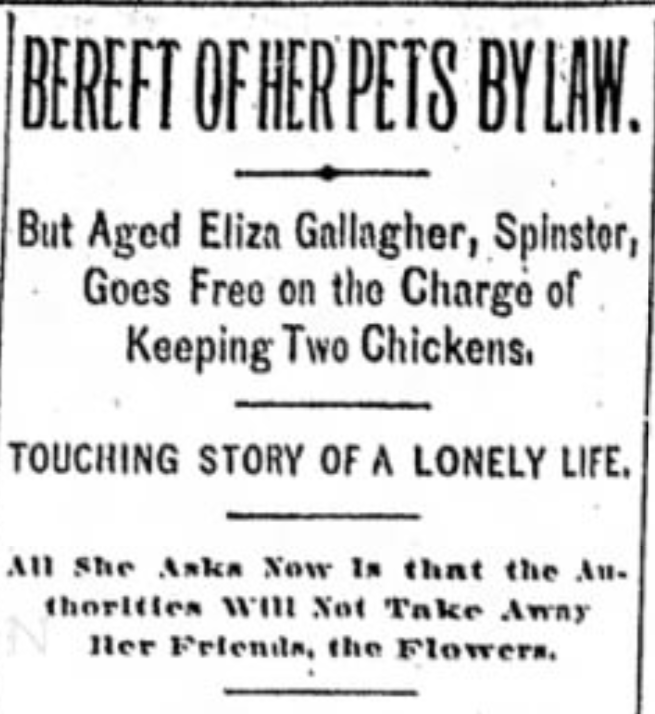
Just three days before Thanksgiving, her quiet life was turned upside down. A policeman arrested Elizabeth for the high crime of… keeping chickens in her apartment. Yes, really. She was hauled before a magistrate for violating the Sanitary Code.
But Elizabeth didn't back down. "I have as much a right to have chickens in my room as the Artists’ Club has to have monkeys in its room," she told the judge. "I talk to Snowbird and Pearly Dew as I would to children. They are my companions."
While a higher court eventually let her go with a "sentence suspended," the victory was bittersweet. The authorities still confiscated her beloved animals. Elizabeth returned to her empty apartment just before the holiday, completely alone.
From Eviction to a Hero's Welcome
You’d think that’s the end of this sad little tale. But fast forward five years to Thanksgiving week, 1904.
Things had gone from bad to worse for Elizabeth. After an illness left her unable to work, she fell behind on her $12-a-month rent. The janitor had her evicted. Her meager belongings—an old rocking chair, a rubber plant, and a few other things—were piled on the sidewalk outside 328 East 22nd Street. Elizabeth sat down on her rocker in the gutter and cried.
That’s when Captain Gallagher of the East 22nd Street police station, located directly across the street, happened to walk by. Seeing her distress, he stopped to help. "Why, my name's Gallagher too," he said, before a flicker of recognition crossed his face.
"I know you, Liz Gallagher," he exclaimed. "You’re coming right over to the station house for the night... The police of this precinct owe you a good turn."
So why did the NYPD owe this lonely old laundress a favor? The answer lies 40 years in the past, during the infamous Civil War Draft Riots of 1863.
The Heroine of the Draft Riots
In July 1863, New York City exploded in what remains one of the most violent insurrections in American history. Mobs protesting the military draft tore through the streets, and a prime target was the police.
At the time, a younger Elizabeth lived next door to the police station. As an armed mob, fresh from looting a nearby gun factory, descended on East 22nd Street "howlin' for the blood of the police," she didn't run. She acted.
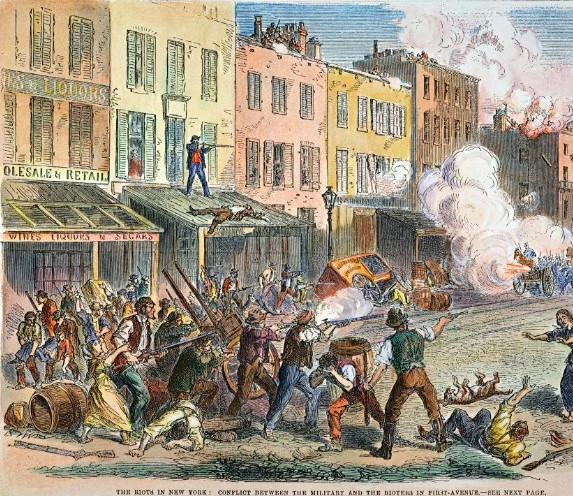
Elizabeth rushed to the station, warning the few officers inside. “Boys, there’s goin’ to be murther done,” she urged, telling them to escape through a side door where she’d left civilian clothes. "For your own sakes," she pleaded, "git rid o' them brass buttons."
Some reports claim she even stood on the station steps and confronted the mob with kettles of boiling water, buying just enough time for the officers to slip away disguised. The rioters ultimately burned the police station—and Elizabeth's home right along with it—to the ground. But thanks to her, the men inside survived.
A Debt Repaid
Now, back in 1904, the police of the rebuilt East 22nd Street station had a chance to repay that debt. As Elizabeth slept soundly in the station house, Captain Gallagher told his men her story. "Boys," he said, "this is Lizzie Gallagher who helped some of the officers of this precinct escape... She’s been dispossessed and we’re going to see her through."
When Elizabeth woke the next morning, she looked out the window and saw that all her furniture was gone from the sidewalk. Fearing it was stolen, she was heartbroken. But the Captain just smiled.
"No, they haven’t, Liz," he told her. "It’s all upstairs, where it ought to be. Your rent’s paid, and all you’ve got to do is go up and light the stove and cook your breakfast."
The officers of the precinct hadn't just moved her things back in. They had passed the hat and collected enough to pay for her apartment. In fact, they set up a fund to pay her rent for the rest of her life.
"I’ve known every mother’s son of them in this precinct for forty years," Elizabeth later told a reporter, her eyes beaming. "Now that they have kept me from going to the poorhouse in my old age, I look on them as the most loving sons a mother could wish for."
Elizabeth's East 22nd Street Today
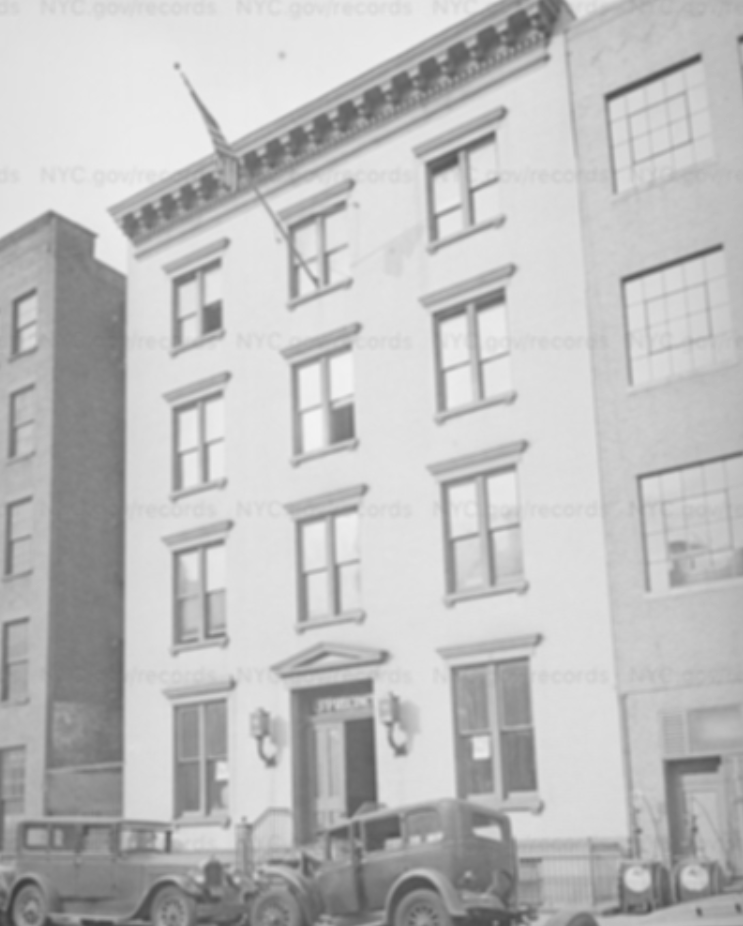
If you're strolling through the Gramercy area today, you can walk the very same block where this incredible story unfolded. The old police station at 327 East 22nd Street is long gone, replaced by a luxury condo building called Gramercy Gates.
Across the street, the site of Elizabeth’s tenement at number 328 is now occupied by a large apartment building for employees of NYU Langone Health. While residents are allowed one pet per apartment, it’s a safe bet that pet chickens are probably still against the rules.
It’s a story of how a small act of kindness—even just caring for two little chickens—can be part of a much larger life of courage, and how in New York City, a good deed is sometimes repaid, even forty years later.